
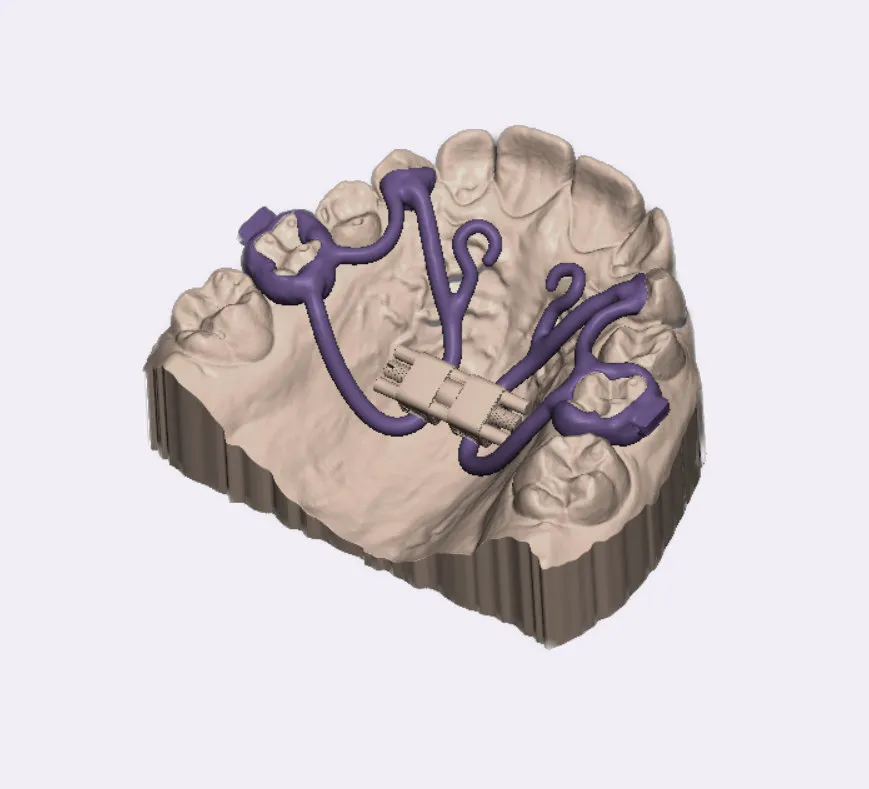
Removable and fixed appliances with orthopaedic effect
Used in children and adolescents when the aim is to guide jaw growth or intercept the development of orthodontic irregularities.
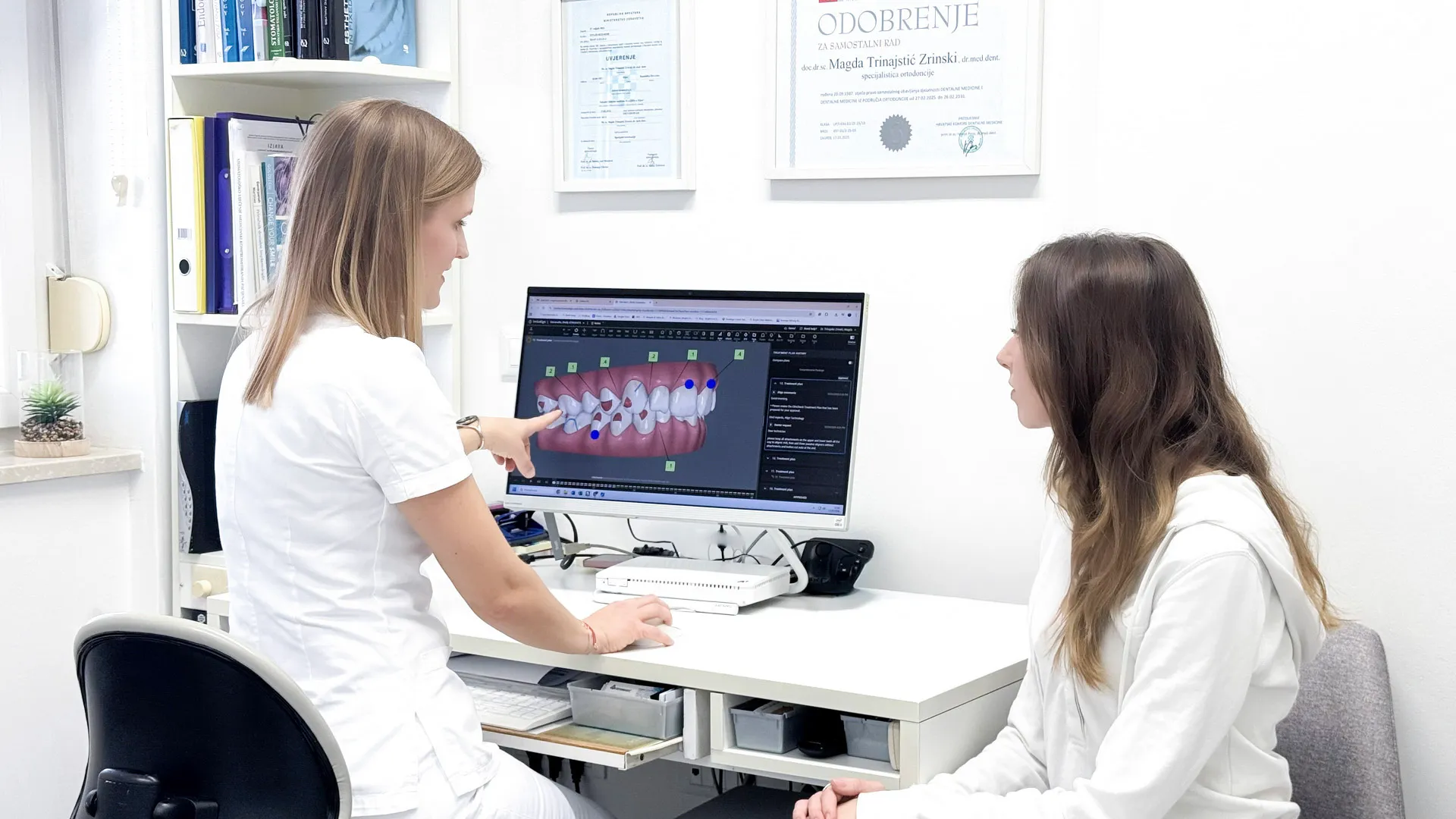
What the first consultation involvesOrthodontic treatment is planned individually, with clear diagnostics, digital tools and the choice of appliance suited to the patient's age, diagnosis and treatment goals.
Orthodontics is a specialist branch of dentistry concerned with the diagnosis, prevention and treatment of irregularities in tooth position and jaw relationships. The goal of treatment is not only a more attractive smile, but also a more functional bite, easier oral hygiene and a stable long-term relationship between the teeth and jaws.

Orthodontics is not reserved for children alone. Depending on the diagnosis, treatment can be indicated at different stages of life.
An early consultation can identify developmental irregularities in the jaws in time and assess whether treatment should begin straight away or whether monitoring growth and development is sufficient. In childhood it is possible to carry out dentofacial orthopaedic treatment, which guides jaw growth.
A significant part of orthodontic treatment takes place during adolescence, since cooperation is usually good and growth guidance can still be an important factor in treatment planning.
Adult age is not an obstacle to orthodontic treatment. Today many adult patients choose treatment either for aesthetic reasons or in preparation for prosthodontic or other dental procedures, using discreet and comfortable appliances.
An orthodontic consultation is recommended when there is a suspected irregularity in tooth position, bite or jaw relationship.
Some of these irregularities include:
At the consultation we assess tooth position, bite, space within the dental arches and jaw relationship. Diagnostic records are taken: intraoral and facial photographs, digital scans and X-rays. Only after a thorough analysis of the diagnostic records will we recommend treatment suited to you or your child.
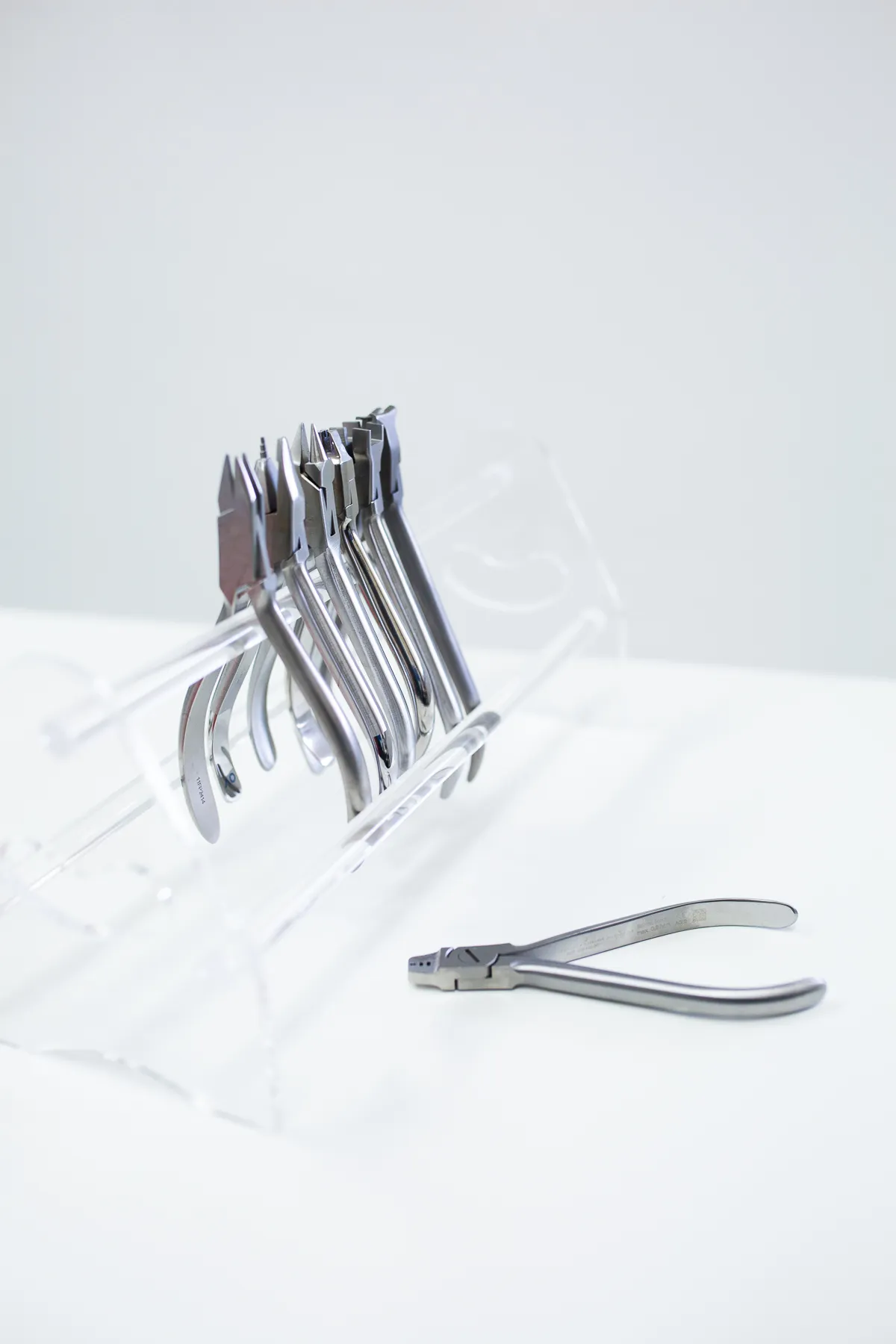
We select the orthodontic appliance according to the type of malocclusion, the complexity of the case, the patient's age and the treatment goals.
Used in children and adolescents when the aim is to guide jaw growth or intercept the development of orthodontic irregularities.
What the first consultation involves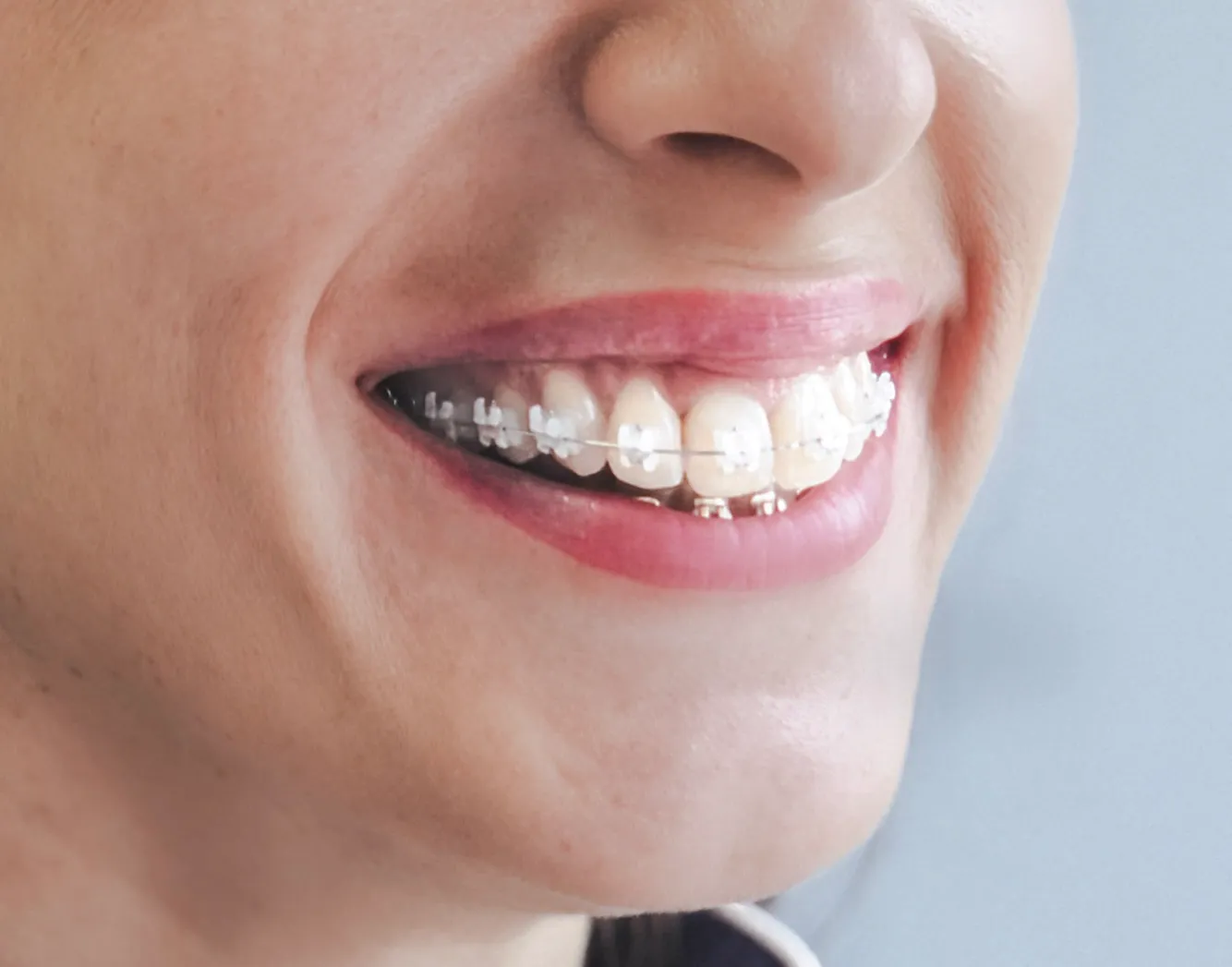
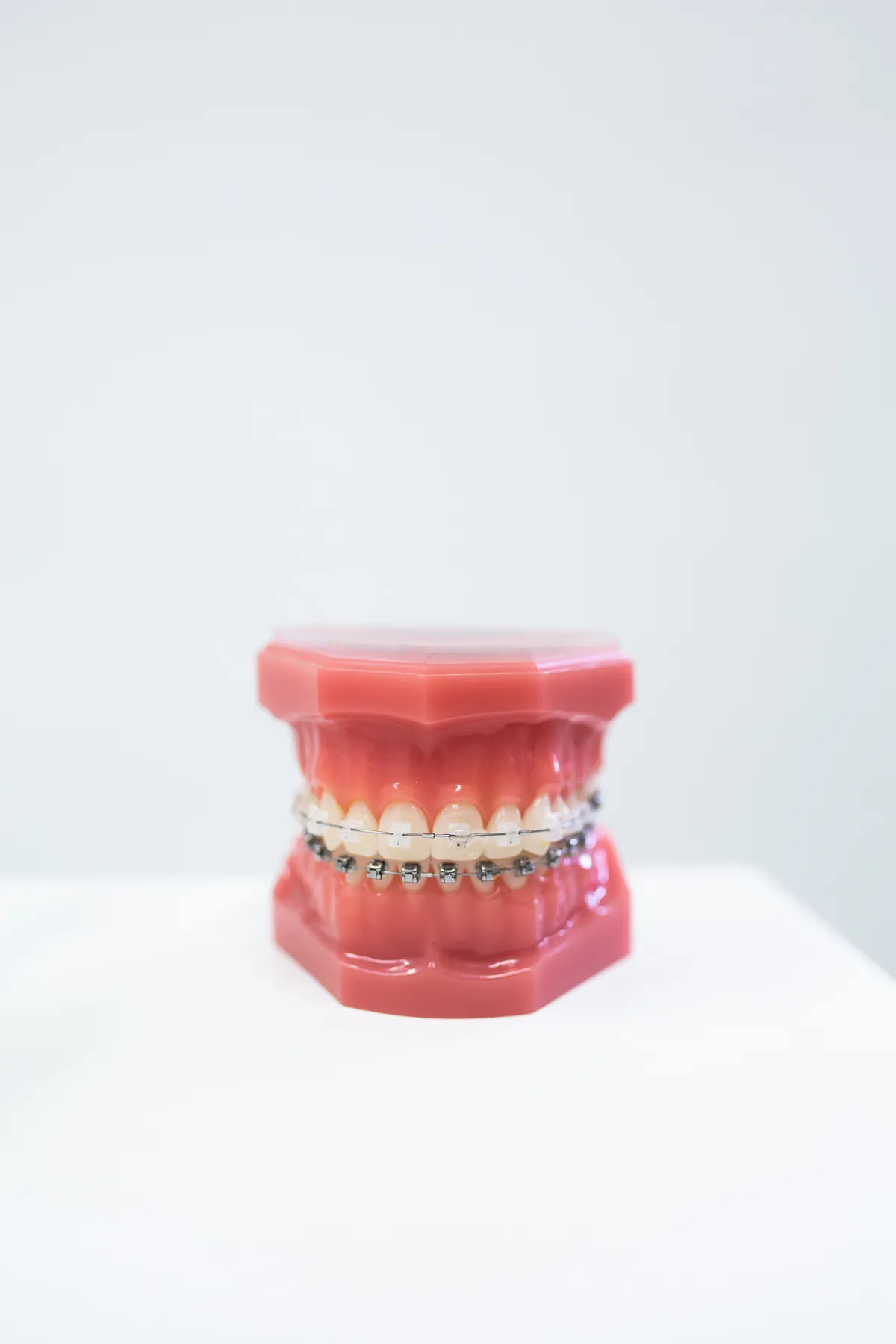
A reliable and effective solution for comprehensive orthodontic treatment, with precise control of tooth movement.
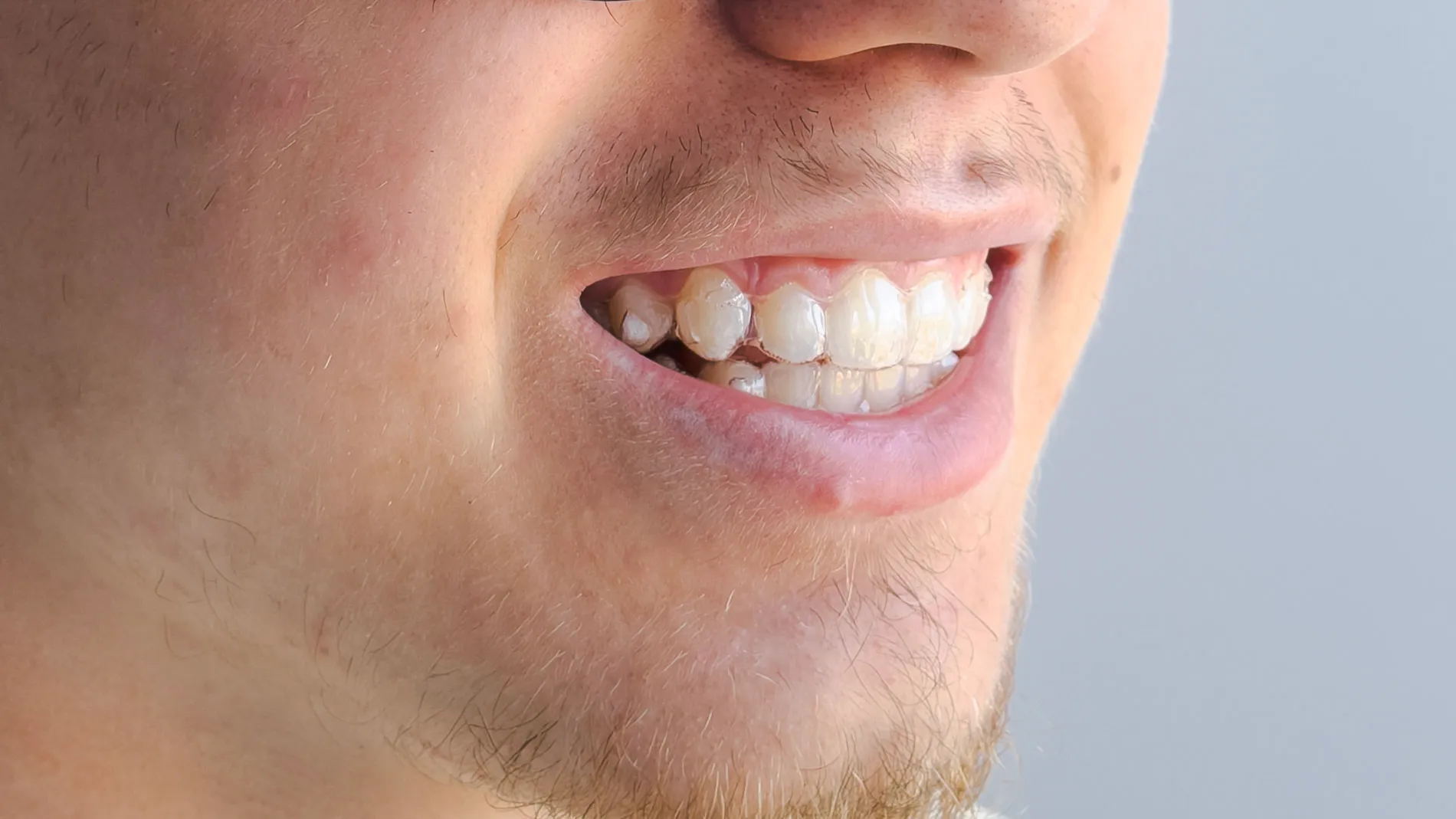
A more discreet treatment option for selected cases, with digital planning and visualisation of tooth movement from start to finish.
Learn more about clear aligners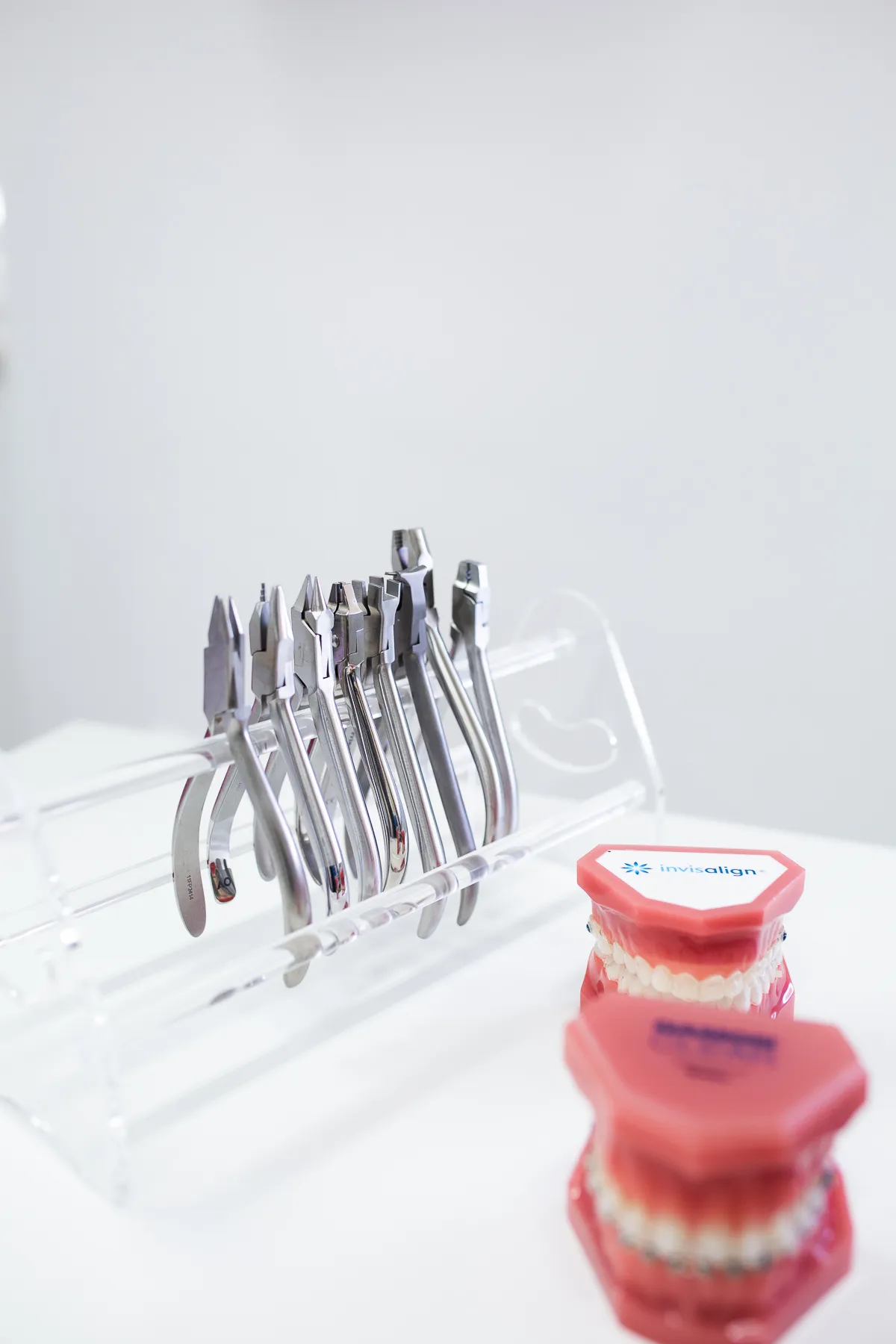
The appliance is not chosen immediately, but only after careful assessment. This takes into account the patient's age, the type of malocclusion, the condition of the teeth and supporting tissues, the goals of orthodontic treatment, and the level of cooperation expected from a child or the circumstances and lifestyle of an adult patient. This is why the first consultation matters: only after diagnostic analysis can treatment genuinely suited to the specific case be recommended.
The duration of treatment depends on several factors: the type of malocclusion, the patient's age, the method chosen and cooperation during treatment. On average, comprehensive orthodontic treatment takes around two years. The active phase is followed by a retention phase, important for the stability of the result achieved.
At the consultation we assess tooth and jaw position and bite, and explain the treatment options.

A first orthodontic consultation is recommended for children when an irregularity in tooth position or bite is noticed, and preventively at around 7 years of age, when developmental anomalies can be identified.
Not necessarily. In some cases it is advisable to begin treatment immediately, while in others a period of monitoring is more appropriate.
Yes. Orthodontic treatment is also possible in adulthood, provided the conditions are met, such as healthy or restored teeth and healthy supporting tissues.
On average, treatment takes 2 years, but this depends on the type of malocclusion, the patient's age, the treatment chosen and cooperation during treatment. A more precise estimate is given after the consultation and diagnostic analysis.
Fixed braces remain attached to the teeth for the whole course of treatment, while clear aligners can be removed for eating and oral hygiene. The orthodontist decides on the indication after the consultation.